The first dance is only one song. The feeling guests remember is what happens around it: the roar when a favourite chorus lands, your aunt and best friends somehow sharing the same dance floor, and the point when the room stops feeling like a formal reception and starts feeling like a proper party. That is why choosing wedding bands deserves more thought than simply picking a playlist with guitars attached.
A brilliant live act does more than play recognisable songs well. They read the room, shape the pace of the evening and give your day its own personality. For couples planning a wedding in Ireland, the strongest choice is usually the band whose sound, energy and service genuinely match the celebration you want to create.
Start with the atmosphere, not the set list
It is tempting to begin with one question: “Do they play our song?” It is a fair question, but it is not the most useful one. A wedding crowd is rarely one musical tribe. You may love indie classics, your parents may be hoping for soul, and your friends may come alive for 90s pop and current dancefloor hits. The right band connects those tastes rather than playing to only one corner of the room.
Think about the atmosphere you want at different points in the day. A ceremony calls for warmth, restraint and emotional timing. A drinks reception needs enough lift to make the room feel alive without drowning out every conversation. The evening needs momentum, confidence and songs that invite people in quickly.
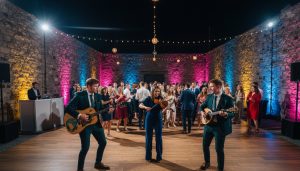
This is where a flexible, musically inventive act earns its keep. Amplified acoustic instruments, close harmony vocals and fresh arrangements can bring character to familiar songs without turning the night into a novelty act. The music should feel polished and full, while still giving guests the sense that something is being played especially for them.
What to look for when booking wedding bands
A slick promotional photo tells you very little about how a band performs at 10.30pm in a busy ballroom. Video is far more revealing. Watch for the audience, not just the musicians. Are people dancing? Does the band look connected and relaxed? Can you hear strong vocals, tight endings and genuine dynamics rather than a sequence of songs played at the same volume?
Experience matters because weddings are live events, not rehearsed studio sessions. A seasoned band knows how to handle a delayed meal, a slightly shy early dance floor or the sudden arrival of a crowd ready for one more tune. They understand when to build gradually and when to play the song that gets everyone from the bar back into the room.
Testimonials are useful for the same reason. Look beyond “they were great”. The most meaningful feedback mentions the moments couples were worried about: whether the ceremony music felt personal, whether the drinks reception had the right mood, whether the dance floor stayed busy, and whether communication in the run-up to the day was straightforward.
There is also a practical point that should never be an afterthought. Ask whether the band provides a DJ service or a curated playlist before and after their live sets. A good evening should not lose its energy while equipment is being changed or musicians take a break. Continuity makes a difference.
Size is not the same as impact
More musicians do not automatically mean a better party. A larger line-up can create a huge sound, but it may require more space, a bigger budget and more complex logistics. A smaller group can feel more immediate, stylish and adaptable, particularly when every member is a strong multi-instrumentalist and singer.
A trio with inventive arrangements can sound surprisingly expansive while retaining the intimacy that makes live music exciting. Equally, if you have 250 guests in a large venue and want brass-led soul all night, a bigger ensemble may be exactly right. It depends on the room, the guest list and the experience you are after.
Ask how the music can work across the whole day
Booking separate suppliers for every musical moment is perfectly possible, but one experienced team can make the day feel more joined-up. The sound of your ceremony does not have to be disconnected from the atmosphere at your reception or the energy after dinner.
Ask prospective bands what they can offer before the evening set. Can they provide ceremony music as guests arrive, for the entrance and for signing the register? Can they play a relaxed but upbeat drinks reception? Are they comfortable tailoring key songs, particularly for the aisle or first dance? These details turn a booking from a performance slot into proper musical support for the day.
Customisation has sensible limits. A professional band may be happy to learn a meaningful song, but not every recorded track translates well to every line-up. A good musician will be honest about this and suggest an alternative arrangement if needed. That is not a lack of flexibility. It is respect for the song and for the standard of the performance.
At The Hitmen Trio, the aim is never to fill every minute with noise. It is to choose the right musical temperature for each part of the day, then make the evening feel like it has real lift when it matters most.
Do not leave the dance floor to chance
The best set lists have range, but they also have shape. A band should be able to bring different generations together without lurching randomly from one style to another. Clever medleys and mash-ups can keep momentum high, while well-chosen classics give guests those singalong moments they did not realise they were waiting for.
Be wary of a band that promises to play absolutely anything. Breadth is valuable, but a focused repertoire played brilliantly is better than 300 songs played with mixed conviction. Ask how they build their sets, whether requests are possible, and how they respond if a particular song is not landing. The answer will tell you plenty about their confidence and experience.
Your first dance deserves a separate conversation. Some couples want a faithful live version; others prefer the original recording before the band takes over. Neither option is more romantic. Choose what will make you feel most comfortable in the moment. If dancing alone feels daunting, ask whether the band can invite guests up after the first minute or two. It is a small bit of planning that can remove a surprising amount of pressure.
Get the practical details clear early
Great wedding entertainment should feel effortless to you, but that ease comes from clear planning behind the scenes. Before booking, confirm arrival and set-up times, performance duration, breaks, finish time and what happens if the schedule runs late. Check what space and power the band needs, especially if you are planning music outdoors or in a marquee.
For venues with sound limiters, ask whether the band has worked with them before or how they approach them. A sound limiter does not have to flatten the atmosphere, but it does require sensible volume management and an act that can still create energy through performance rather than sheer decibels.
If your wedding is outside Dublin or involves travel to a rural venue, discuss travel and accommodation requirements early. Ireland has extraordinary wedding venues, from country houses to coastal settings, but access, late finishes and distance can affect the final arrangements. The right band will be clear, professional and realistic rather than vague.
Finally, pay attention to how the enquiry process feels. Are replies warm and prompt? Do they answer the questions you actually asked? Do they sound excited by your plans while offering useful guidance? You are inviting these people into one of the biggest days of your life. Talent is essential, but so is trust.
The right wedding band will give you more than a packed dance floor. They will give your guests permission to relax, sing loudly, dance badly and enjoy every second of being together – which is exactly what a great wedding party is for.