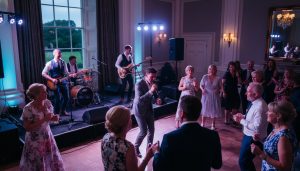
There is a big difference between a ceremony that feels beautifully paced and one that feels like everyone is half a beat behind. Guests may not spot why, but they feel it straight away. That is exactly why how ceremony musicians coordinate timings matters so much – not just for the music itself, but for the entire emotional rhythm of the wedding.
When it is done properly, the music does more than fill silence. It guides entrances, steadies nerves, buys breathing space when needed and gives key moments a sense of shape. The best ceremony music never feels forced or overly staged, but that does not happen by luck. It comes from planning, communication and musicians who know how weddings actually move in real time.
How ceremony musicians coordinate timings before the day
Most of the real work happens long before the first guest takes a seat. Couples often focus on song choice first, which is understandable, but timing is the piece that turns lovely songs into a ceremony that flows.
Experienced musicians will usually start by identifying the musical moments that need structure. That normally means guest arrival, the entrance, one or two reflection or candle moments if included, signing of the register where applicable, and the exit. Not every ceremony has all of these elements, and that is where a tailored approach matters. A civil ceremony in Dublin city centre may run differently from a church ceremony in rural Kilkenny, and a humanist or spiritual celebrant may allow more flexibility than a formal church setting.
That early conversation is about more than building a playlist. It is about understanding the pace of the room, the layout of the venue, the order of service and who will give the cue for each transition. A strong ceremony musician will ask practical questions because practical questions prevent awkward moments. How long is the aisle? Is there one entrance or two? Will the bridal party enter together or separately? Is the signing public or off to the side? Will there be a pause after a reading? These details shape the music far more than people expect.
The entrance is timed to movement, not to a stopwatch
This is where couples often imagine the process working one way, while musicians know it usually works another. The entrance music is rarely about pressing play on a fixed three-minute version of a song and hoping for the best. Real coordination means adapting live to the speed of the walk, the nerves in the room and any slight delay at the top of the aisle.
A bride might pause with a parent for a breath before stepping forward. A flower girl may decide this is the exact moment to become unpredictable. A celebrant might need a few extra seconds to settle everyone. Good musicians watch for those things and shape the performance around them.
That is one of the biggest advantages of live music at a ceremony. A skilled group can extend an intro, hold a phrase, soften a vocal entry or build towards the point where the couple finally meet. The timing feels natural because it is being managed in real time. It is musical, yes, but it is also logistical.
How ceremony musicians coordinate timings with celebrants and venues
The strongest ceremony performances are nearly always collaborative. Musicians do not work in a bubble, and weddings run best when everyone involved understands the cue points.
In some ceremonies, the celebrant will lead those cues directly. In others, the venue coordinator, priest, sacristan or wedding planner may signal when music should begin or end. Occasionally, a member of the wedding party becomes the unofficial messenger. None of these setups is wrong, but they do need clarity.
Professional musicians will usually confirm this in advance and then check again on arrival. That matters because plans can shift on the day. The ceremony might start ten minutes late. Guests may still be filtering in. The signing table might be repositioned. A reader may not have arrived yet. Calm, experienced musicians know how to absorb those changes without letting the atmosphere wobble.
This is one reason couples should not judge ceremony music purely on repertoire. Song choice matters, of course, but professionalism matters more. Beautiful music is only half the job. The other half is knowing when to start, when to finish and when to wait.
The quiet skill of filling space without dragging the moment
Timing in a ceremony is not only about major entrances and exits. Some of the most delicate coordination happens in the in-between spaces.
Signing music is the obvious example. If the legal signing or symbolic ritual takes longer than expected, the musicians may need to extend the piece or move naturally into a second song. If it ends quickly, they need a musical finish that feels intentional rather than abruptly cut short. That takes judgement.
The same goes for guest seating before the ceremony begins. Pre-ceremony music should create warmth and anticipation, but it should not feel like a concert before the event has started. There is an art to setting the mood while leaving room for conversation, nerves, arrivals and those last-minute adjustments every wedding seems to produce.
This is where polished performers really stand out. They read the room. They know when music should gently support the atmosphere and when it should step forward and carry a moment.
Live timing always has trade-offs
There is no single perfect formula because every ceremony is slightly different. A highly structured church ceremony may leave less room for musical flexibility, while a celebrant-led wedding can allow more freedom with timings and transitions. One approach is not better than the other. It simply changes how musicians prepare.
Couples should also know that more songs do not automatically mean a better ceremony. Sometimes a simpler music plan works brilliantly because it keeps the focus where it belongs. At other times, adding a reflective song, instrumental interlude or personalised exit can elevate the atmosphere. It depends on the style of ceremony, the venue acoustics and the overall tone the couple wants.
There is also the practical balance between precision and spontaneity. You want musicians who have a plan, but not musicians so rigid that they cannot react if the ceremony shifts by thirty seconds. Weddings are live events, not stage shows with taped marks on the floor.
Why rehearsed flexibility matters most
The phrase may sound contradictory, but it is exactly what couples should look for. The strongest ceremony musicians are flexible because they are prepared, not because they are winging it.
That means they have already agreed arrangements, keys, cues and likely running order. They know who will lead each vocal, how long an intro can be extended and what happens if a reading starts late. They have thought through microphone needs, setup time and how to adapt to the ceremony space.
In a quality live act, that preparation is invisible to the guests. All anyone notices is that the entrance lands beautifully, the signing music fits perfectly and the exit feels joyful instead of rushed. Behind that apparent ease is plenty of musical experience and event know-how.
For couples booking ceremony music in Ireland, this is especially worth paying attention to because venues vary so much. A country house, city hotel, chapel and outdoor marquee all ask different things from performers. Musicians who regularly play weddings understand how to adjust both musically and practically without making it the couple’s problem.
What couples can do to help the timing work
The good news is that couples do not need to manage every second themselves. In fact, they should not have to. But they can make the process easier by sharing a clear order of ceremony, flagging any unusual elements and being honest about what matters most to them.
If the entrance song must hit a certain lyric at a certain point, say so. If the signing is likely to be short, mention it. If there is a sentimental family tradition in the middle of the ceremony, tell the musicians early. Specific details help professionals build something that feels personal rather than generic.
It also helps to trust experienced advice. Sometimes the best musical recommendation is not the most obvious one. A song you love on record may not suit a long aisle, a reflective moment or the acoustics of a stone church. Strong musicians will guide that conversation carefully. Not to overrule your taste, but to make sure the moment works as well as the song itself.
At The Hitmen Trio, this is exactly how we approach ceremony music – with strong arrangements, close attention to timing and the kind of calm communication that lets couples enjoy the moment instead of managing it.
The real magic of ceremony music is not that it follows a schedule perfectly. It is that it responds to real people, in a real room, at one of the biggest moments of their lives. When the timing is handled well, nobody notices the mechanics. They just remember how it felt.