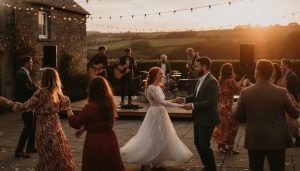
A great wedding atmosphere is not an accident. It is the feeling in the room when your guests lean in during the ceremony, relax into the drinks reception, and somehow all end up on the dance floor later without needing to be dragged there. If you are wondering how to build wedding atmosphere, the answer is not one big gesture. It is a series of smart choices that shape the mood from start to finish.
The couples who get this right usually focus less on ticking boxes and more on how the day should feel. Elegant but not stiff. Lively but not chaotic. Personal without disappearing into novelty. Atmosphere lives in that balance.
How to build wedding atmosphere from the start
The strongest wedding atmosphere starts long before the first dance. It begins with a clear sense of tone. Ask yourselves what you want guests to say on the way home. Not whether the napkins matched the flowers, but whether the day felt warm, exciting, relaxed, stylish, emotional, or brilliantly good fun.
That emotional brief matters because it helps every decision pull in the same direction. A black-tie ballroom celebration wants a different musical pace, lighting plan and room layout from a garden marquee wedding in the countryside. Neither is better. But when the choices clash, guests feel it. A formal room with flat background music and awkward pauses can feel oddly cold. A laid-back setting with overblown production can feel forced.
This is where couples sometimes overestimate décor and underestimate flow. Flowers, candles and table styling absolutely add character, but atmosphere is built through movement and rhythm. The day needs to breathe. Guests should never feel abandoned in one moment or rushed through the next.
Music is the quickest way to change the room
If there is one element that can shift mood in seconds, it is live music. Not just because people enjoy it, but because music tells guests how to behave. It can invite reflection, conversation, anticipation or full-blown celebration without anyone saying a word.
During the ceremony, music should frame the emotion rather than overpower it. A carefully chosen processional, subtle live accompaniment during key moments, and a warm recessional can make the whole thing feel cinematic in the best possible way. This is not the moment for generic filler. If the ceremony music feels personal, the atmosphere becomes personal too.
The drinks reception is where many weddings either build momentum or lose it. Silence feels flat. Overly loud music can kill conversation. The sweet spot is live performance with enough energy to lift the room and enough sensitivity to let guests catch up, laugh and settle in. Acoustic arrangements tend to work beautifully here because they create presence without bulldozing the social side of the event.
By evening, the brief changes completely. Guests need permission to switch gears. This is where experienced performers earn their keep. A strong band does more than play songs people know. They read the room, shape the pace, and bring generations together without tipping into cheesy wedding clichés. That balance is harder than it looks.
The best atmosphere feels natural, not staged
One of the biggest mistakes couples make is trying to manufacture moments instead of allowing them. Guests can tell when something is over-scripted. If every section of the day has an announcement, a gimmick or a planned surprise, the atmosphere starts to feel managed rather than joyful.
That does not mean leaving things to chance. It means designing the day so natural high points can happen. Give people a reason to gather near the bar or terrace. Keep the space between meal and music tight enough that energy does not drain away. Let your entertainment carry some of the emotional load instead of expecting the MC to talk everyone into having fun.
It also helps to think about guest psychology. People warm up in stages. They arrive slightly self-conscious. They relax once they have a drink and a familiar face. They open up once the room has a pulse. They dance when the atmosphere feels shared rather than watched. Good planning respects that progression.
Room layout quietly does a lot of heavy lifting
Atmosphere is not just heard. It is felt physically in the space. If a room is too spread out, energy leaks. If the band is tucked into a corner with no real focal point, the evening can struggle no matter how good the music is. If older guests are seated so far from the action that they feel exiled, the room can split into separate camps.
You want connection between key areas. The bar, dance floor and stage should feel linked. Guests should be able to drift naturally towards the action. Tables too close to the speakers can make conversation difficult, but tables too far from the room’s centre can create dead zones. It is a bit like sound itself – the right arrangement gives the whole room warmth.
Lighting matters here too, and not in an overcomplicated way. Soft, flattering light through dinner helps people relax. Warmer tones in the evening make the room feel richer and more intimate. Once dancing begins, a little contrast and movement add excitement, but there is no need to turn your reception into a nightclub unless that is genuinely your style.
How to build wedding atmosphere through timing
Even beautiful weddings can feel flat if the timing is off. Long gaps are the enemy. So is trying to cram too much in.
The ceremony should have enough breathing space to feel meaningful, but not so much that momentum stalls. The drinks reception should be long enough for photographs and proper conversation, but not so long that guests start wondering what is happening. Speeches can be brilliant for atmosphere when they are heartfelt and well placed. They can also puncture it if they drag on for an hour while everyone waits for dessert.
Evening entertainment needs a proper runway. If the first dance happens too late, older guests may have left and everyone else has settled into their seats. If it happens too early, the room may not be ready. There is no universal perfect time, because venue style, guest mix and dinner schedule all affect the energy. But the principle is simple: move into the party while people still want the party.
This is one reason couples increasingly choose entertainment that can cover multiple parts of the day. Continuity helps. When the same musical team can shift from ceremony to pre-dinner atmosphere to packed evening dance floor, the whole day feels joined up rather than broken into unrelated sections.
Personal touches work best when they are genuinely yours
Atmosphere becomes memorable when it reflects the couple, not when it copies a trend from someone else’s wedding. That might mean a stripped-back version of a song with real meaning to you during the ceremony. It might mean soul, indie, pop or rock woven into the set in a way that feels musically coherent. It might simply mean choosing suppliers who understand the difference between tasteful confidence and wedding-by-numbers.
The point is not to make every detail unusual. The point is to make the right details feel true. Guests respond to sincerity. They can feel when a couple has built a celebration around who they are rather than what looks good in photographs.
That is also why restraint matters. Not every idea needs to make the final cut. If you have ten statement moments, none of them feels like one. A wedding with a clear personality nearly always lands better than a wedding trying to do everything at once.
The atmosphere your guests remember is usually the feeling of being included
People remember how a wedding made them feel. Welcomed. Moved. Entertained. Part of something. That emotional generosity is often what separates a lovely day from a properly unforgettable one.
Music plays a huge role here because it can bridge age groups and different personalities in a way almost nothing else can. The right set does not pander, and it does not show off for the sake of it. It brings people in. A talented live band with real range can keep the style elevated while still delivering that all-important moment when the dance floor fills and stays full.
For couples planning a wedding in Ireland, this matters even more than many realise. Irish weddings tend to be full-scale social events, with wide age ranges, strong expectations, and guests who know when a room has real spark. You need entertainment and pacing that can carry that standard with confidence. That is one reason bands such as The Hitmen Trio have built such a strong reputation – the brief is not just to play well, but to create a whole atmosphere that feels lively, polished and completely unforced.
If you are deciding how to shape your day, start with the feeling you want in the room and build backwards from there. The best wedding atmosphere is never just decoration, or just a playlist, or just luck. It is the result of thoughtful choices, made with heart, that leave your guests smiling before the first note and still talking about it long after the last one fades.