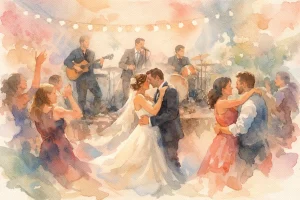
The fastest way to spot a brilliant wedding is usually not the flowers or the room dressing. It is the feeling in the room. The ceremony lands emotionally, the drinks reception has a proper buzz, and by the evening the dance floor feels impossible to leave. That is why wedding entertainment planning tips matter so much. Great entertainment does not just fill time between dinner and dancing – it shapes the whole experience.
Couples often start by thinking about the evening band, which makes sense. The party matters. But the strongest weddings treat entertainment as a thread running through the full day. When music is planned in sections, the atmosphere feels natural, guests stay engaged, and each part of the celebration gets its own character rather than being left to chance.
Wedding entertainment planning tips that actually change the day
The first tip is simple: plan for mood, not just moments. A wedding is not one event. It is a series of emotional shifts – anticipation before the ceremony, relief afterwards, the warm social energy of the reception, the lift into dinner, then the release of the evening party. Entertainment should support those changes. A string of random bookings can work, but a joined-up plan nearly always feels more polished.
This is where couples sometimes overspend in the wrong place. They put everything into one large evening act, then leave the ceremony and drinks reception musically flat. If your budget has limits, spread it intelligently. Even one talented act that can cover more than one part of the day often creates a better overall result than a single big splash at night.
Start with the atmosphere you want guests to remember
Before you talk genres, set lists or first dances, ask a better question: what do you want the wedding to feel like? Sophisticated but lively? Relaxed at first, then absolutely full tilt by 10 pm? Intimate without ever becoming sleepy? The answer will guide every entertainment decision.
This matters because couples often describe what they do not want before they describe what they do want. They do not want cheesy banter, awkward audience participation, or a band that sounds like every other wedding band. Fair enough. But the positive brief is what helps musicians deliver. If you want high-energy live music with a bit more craft, personality and edge, say that early.
Think beyond the evening band
Evening music gets the glory, but daytime entertainment does a huge amount of heavy lifting. Ceremony music sets the emotional tone within seconds. Drinks reception music helps guests relax, chat and feel looked after. If there is a lull after the meal, a smart musical reset can bring the room back to life before the dancing starts.
Live acoustic performance works particularly well during the day because it adds presence without overwhelming conversation. It feels warm and stylish, and it can turn standard wedding transitions into moments people actually remember. The trade-off is that daytime music needs a different touch from a late-night party set. Volume, pacing and song choice all need adjusting.
How to use wedding entertainment planning tips for each part of the day
The ceremony deserves more attention than it sometimes gets. A live entrance song, a beautifully judged signing piece and a strong recessional can make the whole thing feel cinematic in the best way. If you are choosing songs, focus on pieces that mean something and also work musically in the room. Not every beloved track translates well live, and not every quiet song carries enough emotion when guests are seated and waiting.
For the drinks reception, aim for lift rather than spectacle. Guests are greeting each other, grabbing a drink, taking photos and settling in. Music should add sparkle, not compete with every conversation. This is a perfect window for acoustic sets, inventive arrangements and familiar songs delivered with a bit of style. It keeps the energy up while still letting the day breathe.
The evening is where pacing becomes everything. A packed dance floor is rarely about playing louder or faster from the first number. The best live acts build momentum. They read the room, mix generations carefully and know when to lean into classics, when to throw in something unexpected and when to shift gears. That is musicianship, not luck.
Choose a band that can read a room, not just play a set list
A polished promo video is useful, but it only tells part of the story. Wedding entertainment is live event work, not a studio project. You need performers who can adjust in real time. If the crowd needs another singalong before modern floor-fillers, they should know. If the dance floor is full of all ages, they should be able to keep that balance without losing momentum.
This is one of the biggest differences between average and exceptional wedding entertainment. Technical ability matters, of course. So does repertoire. But room-reading is what keeps guests engaged. It stops the night from feeling rigid or predictable.
Ask how flexible the package really is
Not every entertainment package is as flexible as it sounds. Some suppliers offer one set, one format and very little room to tailor timings or musical style. Others can support the ceremony, drinks reception, evening sets and DJ in one joined-up plan. That can simplify your day enormously.
There is no single right answer here. Some couples want different performers for different parts of the day. Others prefer one trusted team handling the musical flow from start to finish. If you are planning a wedding in Ireland with guests travelling from different counties and age groups, simplicity has real value. Fewer moving parts usually means less stress.
Be honest about your guest mix
One of the most useful wedding entertainment planning tips is also the least glamorous: think about who is actually coming. Not who you imagine dancing, but who will genuinely be in the room. If you have a broad age range, the entertainment needs range without losing identity.
That does not mean a bland set aimed at everyone and exciting for no one. It means choosing performers who can move across decades and styles while still sounding like themselves. Familiar songs with originality usually land better than novelty tracks and forced crowd work. People respond to confidence and quality.
Do not leave sound and setup questions until late
This is where practical planning protects the magic. Ask about setup times, space requirements, sound limits, power access and finish times early. A gorgeous venue can still present awkward realities if the performance area is cramped or the sound cutoff is strict.
Professional musicians deal with this all the time, so it should not feel awkward to ask. In fact, experienced acts will often raise these points first. That is a good sign. It means they are thinking not just about performance, but about how the whole event runs.
Give your band a brief, not a script
The strongest performances happen when musicians understand the couple and the room, then use their experience to make smart decisions. A shortlist of must-plays, a few definite no-go songs and a sense of your overall taste is helpful. A minute-by-minute demand sheet with no flexibility usually is not.
If you have booked seasoned professionals, trust matters. Give them enough information to shape the night around you, but leave room for live judgement. Weddings are full of small changes in timing and energy. The entertainment should be able to respond without everything feeling fragile.
Think about the handover to the DJ or late-night music
A flat handover can empty a dance floor surprisingly quickly. If the live set finishes on a high, the transition into DJ music should feel smooth and deliberate. Whether it is a dedicated DJ, a band-provided service or a curated playlist, the goal is the same – keep people in the room and keep the energy moving.
This is especially useful if your crowd includes guests who take a little while to warm up, then stay late once they are going. The best nights are often the ones that build steadily rather than peaking too early.
Book for quality, not just price
Everyone has a budget, and entertainment is one part of a larger wedding spend. Still, this is not an area where the cheapest option often feels like value. Guests will remember how your wedding felt long after they have forgotten the chair covers, and entertainment has a huge influence on that memory.
Experienced, award-winning performers cost more for a reason. They bring consistency, better judgement, stronger musicianship and calmer event handling. That does not mean the most expensive act is automatically the right one. It means price should be weighed alongside live experience, versatility and trust.
Watch for personality as well as polish
Finally, choose people you would actually like in the room on one of the biggest days of your life. Weddings are personal. Your entertainers need to be professional, yes, but also warm, grounded and easy to deal with. Confidence is brilliant. Ego is not.
The couples who are happiest with their entertainment usually say the same thing afterwards: the music was excellent, the process felt easy, and the performers just got it. That mix of artistry and reassurance is rare, and worth holding out for.
If you are planning your wedding now, give the entertainment the same attention you give the venue and the food. When the music is right, everything else seems to glow a bit more brightly – and your guests feel it straight away.