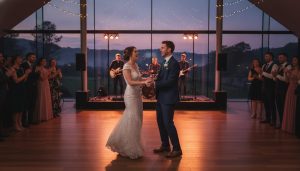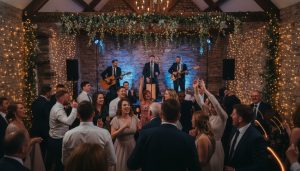
The room goes quiet, the doors open, and suddenly the music is doing far more than filling a gap. It sets the emotional temperature for the whole ceremony. Choosing ceremony singer vs instrumental music is not simply a question of whether you want lyrics. It is about deciding how you want the moment to feel: cinematic, intimate, celebratory, reflective, or completely personal.
There is no universally right answer. A great ceremony singer can make a favourite song feel as though it was written for your walk down the aisle. Instrumental music can give the moment space, elegance and a sense of occasion without asking guests to focus on words. The best choice depends on your venue, your personalities and the atmosphere you want before the party properly begins.
Ceremony singer vs instrumental music: the real difference
A live singer creates an immediate human connection. When the right voice begins a song just before the entrance, guests tend to listen. Lyrics can carry memories, tell part of a couple’s story and give an already emotional room permission to feel everything. For couples who love music and want their ceremony to have a real performance element, a vocalist brings warmth and personality in a way a playlist simply cannot.
Instrumental music works differently. A pianist, guitarist, strings or an acoustic instrumental arrangement can be just as moving, but the focus remains on the ceremony itself. Without lyrics, there is more room for the words of the celebrant, the vows and the visual moment of the aisle entrance to land. It can feel beautifully understated, particularly in a characterful country house, an intimate civil ceremony or a church where the acoustics already carry plenty of atmosphere.
Neither option is more emotional by default. The emotion comes from the performance, the song choice and the way the music fits the room. A carefully played instrumental version of a meaningful song can be quietly devastating. Equally, a singer with the right tone can turn a well-known song into a genuine goosebump moment rather than a standard wedding soundtrack.
When a ceremony singer is the perfect choice
Choose a singer if the words matter to you. Perhaps a song reminds you of your first holiday together, a family member introduced you to an artist, or the lyrics say something you would never quite say in a speech. A live vocal gives that meaning centre stage.
It is especially effective for the entrance. The first verse might begin as the wedding party takes their places, then build naturally as the person getting married starts their walk. A skilled singer will watch the room, rather than treating the song like a fixed backing track, and can extend or repeat a section if the procession takes longer than expected. That flexibility is one of the quiet luxuries of live music.
A singer can also bring energy to the signing of the register. This is often the point at which guests relax, exchange looks and reach for tissues. Two or three upbeat acoustic songs can lift the room after the emotion of the vows and create a lovely bridge into the walk back down the aisle.
There is a practical consideration, though. Lyrics are powerful, so choose them carefully. A song may sound romantic in the chorus but tell a less suitable story in the verses. A good wedding musician will help you find an arrangement that feels true to the original while fitting the occasion. The aim is heartfelt, never accidentally heartbreaking.
When instrumental ceremony music shines
Instrumental music is a brilliant choice for couples who want a refined atmosphere without making the ceremony feel like a concert. It can be classical, modern, soulful or lightly cinematic, depending on the musician and arrangement. A fingerpicked guitar version of a contemporary song, for example, can feel relaxed and personal while still allowing the ceremony to breathe.
It is also ideal when you have several important spoken elements. If there are readings, a symbolic ritual, a religious service or vows you have written yourselves, instrumental music keeps the attention where it belongs. The music supports rather than competes.
Venue acoustics matter here. In a small room, a stone chapel or a space with lots of natural reverb, a delicate instrumental performance can sound glorious without becoming overpowering. In a larger ceremony space, it may need discreet amplification so every guest can hear the detail. The same applies to an outdoor ceremony, where wind, background noise and open air can quickly swallow unamplified sound.
Instrumentals are also wonderfully adaptable for guests arriving. Rather than a formal silence while everyone waits, gentle live music gives people something warm and elegant to arrive into. It helps the room feel considered from the first welcome, even before the ceremony begins.
You do not have to choose only one
The strongest ceremony music plans often combine both approaches. You might choose an instrumental piece while guests are being seated, a singer for the entrance, quiet instrumental music during a reflective moment, then a lively vocal performance for the signing and exit. That variation gives the ceremony shape without making it feel overproduced.
For some couples, the answer is as simple as vocals for one big song and instrumental arrangements for everything else. Others prefer an acoustic singer who can shift between lyrical performances and guitar-led instrumental moments. It is your ceremony, not a rigid three-song template.
This blended approach is particularly useful if you both have different tastes. One of you may want a powerful rendition of a modern classic; the other may prefer something less lyrical and more timeless. With thoughtful planning, both can have their moment.
Think about the ceremony moments, not just the songs
Most ceremonies have three key musical points: the entrance, the signing of the register and the exit. Each asks something different of the music.
For the entrance, choose a piece with the right pace. A beautiful song that is too slow can make a short aisle feel surprisingly long, while an overly energetic track can feel out of step with a quiet room. A musician can advise on where to start the song and how to shape it around the length of the procession.
During the signing, variety works well. This is the most relaxed section, so it is a lovely place for songs that make guests smile or sing quietly along. The exit deserves lift. Whether that comes from an infectious vocal, a joyful instrumental arrangement or a full acoustic flourish, this is the moment that sends everyone towards the drinks reception in great spirits.
Do not forget the practical details around those moments. Ask whether your ceremony venue provides a sound system, whether musicians can access the space early enough to set up, and whether there are restrictions for church or registry office ceremonies. Experienced performers will be used to working with celebrants, venue teams and photographers, but a clear timeline avoids last-minute scrambling.
Match the music to your wedding, not a trend
A string-led instrumental arrangement might be perfect for a formal manor house wedding, but it is not automatically more sophisticated than a singer with an acoustic guitar. Likewise, choosing a chart song does not mean the ceremony will feel casual. The quality of the arrangement and performance is what makes familiar music feel fresh.
Think about the rest of your day. If you want an energetic acoustic drinks reception and a packed dance floor later on, a singer-led ceremony can create a lovely musical thread from the aisle to the evening. The Hitmen Trio often see how this continuity helps a wedding feel like one great celebration rather than a series of separate events. If you want the ceremony to be your calm, elegant counterpoint to a lively party, instrumental music may provide exactly that contrast.
Above all, choose music you will still love when you hear it years from now. You do not need to impress every guest with an obscure choice or pick a song because it appears on every wedding playlist. The best ceremony music sounds like you, played by musicians who understand that timing, restraint and a well-placed chorus can make a room remember the moment forever.
When you picture the doors opening, listen to your instinct: do you hear a voice telling part of your story, or music giving the story space to unfold? That answer is usually the right place to start.