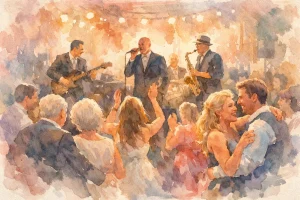
The moment the first note lands, your ceremony stops being a schedule on paper and starts feeling real. That is why couples spend so much time thinking about flowers, vows and photographs, then suddenly realise the soundtrack matters just as much. If you are wondering how to plan ceremony music, the best place to start is not with a playlist. It is with the atmosphere you want people to feel the second the ceremony begins.
Some couples want that first entrance to feel cinematic. Others want it warm, stripped-back and intimate. Some want a traditional shape with modern songs woven through it. All of those approaches can work beautifully. The trick is choosing music that suits the room, the timing and the emotion of the day, rather than picking songs in isolation because they looked good on a list.
How to plan ceremony music without overcomplicating it
A wedding ceremony usually has a few distinct musical moments, and each one does a different job. There is music as guests arrive, music for the entrance, a possible piece during the signing of the register, and music for the exit. Once you understand those moments, planning becomes far less daunting.
The pre-ceremony music sets the tone before anything official happens. This is often underestimated, but it matters. Guests are arriving, hugging, finding seats and taking in the setting. If the music is too flat, the room can feel hesitant. If it is too intense too early, it can feel like everyone has skipped ahead emotionally. Gentle live music works especially well here because it fills the space without becoming overpowering.
The entrance music is the emotional anchor. This is the piece people remember. It needs to feel right for the person or people entering, but it also needs the correct pacing. A song can be deeply meaningful and still not work if the introduction is too long, the tempo is awkward for walking, or the big moment comes far too late. This is where experienced musicians earn their keep – they can shape an arrangement around the ceremony rather than forcing the ceremony to fit the recording.
Signing music, if your ceremony format includes it, gives the room a breath. It can be reflective, joyful or quietly romantic, but it should not steal focus from the ceremony itself. Then comes the recessional, which is your release of energy. This is where the nerves disappear, everyone smiles properly and the whole room shifts from anticipation to celebration.
Start with feeling, not genre
When couples begin planning, they often ask whether they should choose classical, acoustic, indie, soul, pop or traditional pieces. The better question is what emotional shape they want the ceremony to have.
A live acoustic version of a modern song can feel more timeless than the original recording. A well-played traditional piece can feel incredibly fresh in the right setting. A gospel-influenced arrangement can lift the room, while a sparse vocal and guitar performance can make a large venue feel surprisingly personal. Genre matters less than delivery.
That said, venue and ceremony style do influence what works. A church ceremony may suit music with more space and reverence. A civil ceremony in a country house might lean beautifully into contemporary acoustic arrangements. An outdoor ceremony can be magical with live instruments, but it also calls for practical thinking around sound, wind and timing. There is always a balance between taste and logistics.
Choose songs for the key ceremony moments
Trying to pick ten perfect songs at once is where couples get stuck. It is much easier to choose one moment at a time.
For guest arrival, think about consistency rather than standout tracks. Two or three songs with a similar tone often work better than a set that jumps from heartfelt ballad to radio anthem. You want guests to settle into the mood naturally.
For the entrance, ask one very simple question: do you want this to feel tender, dramatic, joyful or understated? That narrows the field quickly. If the song means a lot to you but the recorded version is not quite right, a custom live arrangement can solve that. Slowing a piece down, adjusting the key or trimming the intro can turn a good choice into the perfect one.
For the signing, one or two songs usually does the job. Think of this as a musical bridge, not a headline slot. It should support the moment rather than compete with it.
For the exit, go brighter than you think. This is not the moment for half-hearted sentiment. Once the ceremony is complete, the music should lift everyone out of their seats emotionally, even if they stay physically put for the photographs.
Think about live music versus recorded music
Recorded tracks are familiar, straightforward and often less expensive. They can absolutely work. But live ceremony music creates something different in the room. It responds to timing, covers transitions gracefully and gives the ceremony a sense of occasion that a speaker system rarely matches.
There is also a practical advantage. Ceremonies do not always run exactly to the minute. Guests arrive at uneven intervals. Entrances can take longer. A registrar or celebrant may pause. Live musicians can stretch or shorten where needed, cue the key moment properly and avoid that slightly awkward feeling of a track ending at the wrong time.
For couples who want personality without anything cheesy, live acoustic performance tends to hit the sweet spot. It feels polished and emotional without becoming stiff, and it can carry from ceremony into drinks reception beautifully if you want the day to sound connected from start to finish.
Work with your venue and celebrant early
One of the smartest moves in ceremony planning has nothing to do with song choice. Check the practical rules early. Some churches have restrictions on secular music. Some venues have tighter setup access than couples expect. Outdoor spaces can look incredible on Instagram and still present real sound challenges on the day.
Ask what is permitted, how much space performers will have, whether amplification is allowed and when suppliers can set up. If you are marrying in Ireland, where weather can be gloriously unpredictable, always have a Plan B for outdoor music. Romantic is lovely. Windswept lyric sheets are less so.
Good musicians will help you navigate this, but the earlier those conversations happen, the smoother the planning becomes.
How to plan ceremony music that still feels like you both
One of the easiest mistakes is letting the ceremony soundtrack become all romance and no personality. Emotional does not have to mean obvious. Your songs can still have character.
Maybe your entrance music is a stripped-back version of a song you both love from gigs and road trips. Maybe the signing music nods to your families or your shared history. Maybe the exit song is an absolute burst of joy because that suits you far better than anything solemn. Personal does not need to mean quirky for the sake of it. It just needs to feel honest.
If your tastes are different, do not force one style across everything. The ceremony naturally has different moods, so there is room for both of you. One person might care deeply about the entrance while the other has strong feelings about the exit. That is a very normal and often very effective split.
Avoid the common ceremony music mistakes
Most ceremony music regrets come down to one of three things: choosing songs too late, choosing songs with no thought for timing, or choosing what seems appropriate rather than what actually feels right.
Late choices create pressure, and under pressure couples often default to songs they have heard at other weddings. There is nothing wrong with popular choices, but they should still feel personal. Timing issues are equally common. A song might have a beautiful chorus, but if it arrives ninety seconds after the entrance begins, the emotional peak can miss the moment entirely.
Then there is the issue of scale. A huge power ballad can feel oddly out of place in an intimate room. On the other hand, an extremely delicate song may disappear in a large venue if the arrangement lacks presence. This is why performance style matters as much as song title.
Trust musicians who understand weddings, not just music
Brilliant musicians are not automatically brilliant ceremony musicians. Weddings require judgement, flexibility and the ability to read a room while staying utterly reliable. The best performers know when to lead, when to hold back and how to make transitions feel effortless.
That is especially true if you want a ceremony that feels refined but not stuffy. A group like The Hitmen Trio brings the kind of musical control that lets a ceremony feel elevated and relaxed at the same time, which is exactly the balance most couples are after. It is not about overplaying the moment. It is about giving it shape, confidence and warmth.
When you are deciding, listen for more than a nice voice. Pay attention to arrangement, pacing and whether the performance feels emotionally believable. The right musicians make guests feel something before they even realise why.
Ceremony music does not need to be overly grand or painfully earnest to be unforgettable. It just needs to meet the moment properly. Choose pieces that sound like you, work in the room and leave enough space for the emotion that is already there. If the music feels natural when the doors open and glorious when you walk back out together, you have got it exactly right.